
Crimes of Passion
The salacious history of salacious literature.

Before writing smut, I turned my nose up at it.
My first introduction to the genre came about sometime around puberty… not for the reasons you might think. It was the deep, full-body embarrassment of my mom deciding that Fifty Shades of Grey was an appropriate book to read at the Marriott’s pool on family vacation that shaped my first real opinion on the genre.
I’d like to say that I grew out of my judgmental stance upon reaching adulthood, but I’d grown to be a pretentious and prudish reader. I’d still never opened a smut book, but did turn my nose up at the romance paperbacks settled next to the birthday cards in grocery stores.
My ignorance-turned-snobbery only began to slip away years later, somewhere between ironically listening to fae-filled fantasy, exploring Fanfiction’s ‘Rated M’ tabs, and writing GoodReads reviews for mob romances I’d picked up out of curiosity… I shifted to neutral.
Read No Evil
It was around this same time that I was in the slow, uncomfortable process of growing out of another belief — wholesome, inevitable true love.
Despite being someone who had an opinion on everything, I had zero opinion on my own preferences because I had never been required to interrogate my own interests. I let others take the lead sexually and focused on being emotionally charming. This seemed like a reasonable trade at the time.
I want to make clear that these realizations weren’t a reluctant gut punch, but rather an exciting descent (ascent?) into a room that I didn’t realize I was welcome in. While smut didn’t resolve this entirely, it opened the door.
As with most things, once I accepted my interest in smut, I doubled down. I devoured penny dreadfuls, eighties paperbacks, and Kindle Unlimited romance. I saved scenes to memory, pulling them out on days when I needed to explore something. And with each dog-eared page (or digital bookmark), learning more about what I responded to and why.
Eventually, the line between consuming and contributing blurred. I returned to my roots, writing fanfictions of couples plucked from another creator’s mind, starting with yearning and eventually evolving into the blogs and short stories that are the building blocks to this substack. A space to explore the ever-growing complexity of romance.
But this post isn’t about my personal journey into reading romance. It’s about the tumultuous history of the genre and how its future on the shelves of your local Barnes & Noble is still at stake.
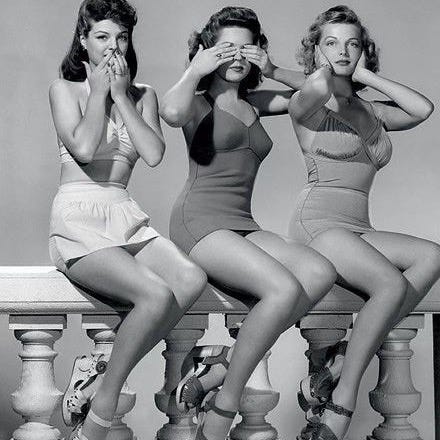
Men Ruin Everything
First appearing in ancient Mesopotamian texts, explicit stories were originally woven into myth, religion, and daily life. At that time, salacious storytelling wasn’t shocking but rather instructive, symbolic, and sometimes sacred.
Unsurprisingly, the scandal came with the rise of Christianity.
As Christianity spread, erotic expression was gradually reclassified as sinful, dangerous, and in need of strict regulation. What had once been openly discussed was forced underground, where it did what most forbidden things do: it evolved.
Over the centuries, smut survived in the form of satire, private manuscripts, and illicit pamphlets. Creating and consuming it became a small act of defiance. If you’ve ever been told not to look and immediately wanted to look more, you already understand the appeal.
By the 18th and 19th centuries, men with power were no longer content to merely disapprove in the pews. The Obscene Publications Act of 1857 in the United Kingdom and An Act for the Suppression of Trade in, and Circulation of, Obscene Literature and Articles of Immoral Use of 1873 in the United States made the creation and distribution of erotic literature punishable by fines, imprisonment, or worse. Postal censorship was taken seriously enough that even mailing the wrong book could land you in jail.
It wasn’t until the mid-20th century that obscenity trials dragged private reading habits into public courtrooms. Lawyers and judges debated whether imagination itself needed supervision in a world that valued free speech. Consistently, the courts ruled in favor of smut, and somewhere between The Odyssey, Lady Chatterley’s Lover, and, yes, even Fifty Shades of Grey, it became what it is today.
But we all know how history likes to repeat itself.

Men (Still) Ruin Everything
It would be comforting to believe that erotic literature is now safely normalized. The battles have been fought and won, and no one seriously cares what adults read in private anymore.
That belief would be incorrect.
Modern censorship rarely announces itself as censorship. Instead, it arrives dressed as a protection of morality. Of public decency. Of neutrality. Books are quietly removed from libraries. Algorithms bury erotic content, especially when it centers around women, queer people, or marginalized identities. Platforms that once hosted independent writers change their terms overnight, rendering entire genres unpublishable.
Nothing is technically banned. It’s just harder to find. Harder to share. Easier to pretend it never existed. If this sounds familiar, it should. It’s a similar, religion-based ethos that pushed erotic literature underground centuries ago.
So what does this look like today?
The Interstate Obscenity Definion Act, a 2025 federal proposal by Senator Mike Lee from Utah, would broaden the define obscenity with the intent of regulating how it’s distributed. (Source) While this does highlight imagery — videos, photos, etc — critics see it as a first step in an attack on adult sexual expression at large.
State and local-level proposals often target salacious materials on a broader scale. From book bans in libraries to audio porn apps, the genre is actively being critiqued from every angle.
So here’s the least dramatic call to action I can offer. We don’t need to love all elements of love in literature. But before we call contemporary romance weak or erotic romance disgusting, let’s take a beat to reframe our critiques so as not to contribute to a society looking to yuck someone’s yum. Notice which stories are labeled excessive, dangerous, or unnecessary. Ask yourself who those stories belong to, and who benefits when they’re made harder to tell.
If nothing else, it’s worth remembering that smut has been threatened before. And despite everything, it’s still here and more accepted than ever. Let’s keep it that way.